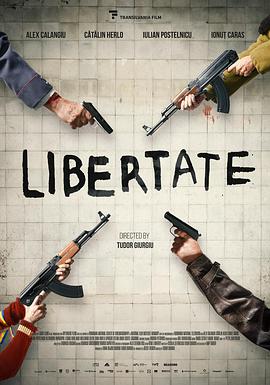
In the chaotic days of the '89 Revolution, the city of Sibiu becomes the scene of a violent assault on a Police station that escalates into a bloody confrontation between soldiers, policemen, civilian protesters and representatives of the secret police. Following a desperate attempt to escape the siege, Police captain Viorel is captured by the army and accused of being a terrorist.
源自:https://tiff.ro/en/film/freedom-0
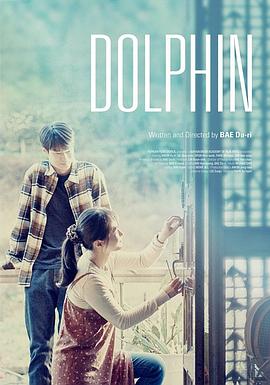
The most important thing for Na-young, who has lived her entire life in a small seaside village, is taking care of her family and friends. However, her mother tries to sell their precious house full of memories, and her younger brother insists on moving to Seoul. While Na-young struggles to accept the changes, she comes across bowling and begins to spend more and more time at the bowling alley.
源自:https://siff.kr/en/films/%eb%8f%8c%ed%95%80/

More than once, the protagonists in Mimang wonder where they are and where they’re going—it is a concrete, geographical question born from walking around the streets of Seoul, but as the film progresses, that urban journey also proves to be an existential one. We accompany the characters in some stretches of their path—many years separate each of the episodes that make up the film, and that distance reveals changes through what remains. This is not a film about earthquakes, but about small transformations, and the marks of time can be seen not only in the actors’ bodies, but also in that other omnipresent protagonist that is Seoul, whose vitality invades every shot. Like others before him (it’s inevitable to think about Truffaut or Linklater), here, Kim Taeyang reminds us that cinema is the best time machine that has been invented so far.